Spring Planning for Stamped Concrete Restoration Projects
Revitalize your outdoor space this spring by connecting with local contractors experienced in stamped concrete restoration to enhance durability and aesthetic appeal.
Spring is a popular season for considering stamped concrete restoration due to the natural cycle of outdoor space renewal. As temperatures rise and weather conditions become more predictable, property owners often see spring as an ideal time to refresh and upgrade their paved surfaces. Restoring stamped concrete during this period helps prepare outdoor areas for the warmer months, ensuring that patios, walkways, and driveways look their best for gatherings and everyday use. Additionally, spring offers longer daylight hours and more favorable conditions for surface preparation and finishing, making it easier for local contractors to complete restoration projects efficiently.
Typically, stamped concrete restoration services cover a range of work aimed at revitalizing the appearance and durability of existing concrete surfaces. These services often include cleaning to remove dirt and stains, repairing cracks or surface damage, and applying new sealers or overlays to restore color and texture. Restoration may also involve re-coloring or resealing stamped patterns to bring back the original aesthetic, especially if the concrete has become faded or worn over time. The goal of these services is to extend the lifespan of stamped concrete while enhancing its visual appeal, making outdoor spaces more inviting and functional.
Property owners comparing local contractors for stamped concrete restoration should consider several factors to find the best fit for their needs. It’s helpful to review the experience and reputation of service providers through customer feedback or references, ensuring they have a history of quality work in the area. Additionally, understanding the scope of services offered and the materials used can help in making an informed decision. Consulting with multiple local contractors allows property owners to ask questions about their process, craftsmanship, and warranties, facilitating a comparison that aligns with their project goals and expectations.
Compare local contractors' expertise and experience to find the best team for your spring concrete restoration needs.
- Surface Preparation - Proper cleaning and surface assessment are essential steps before restoring stamped concrete.
- Color Enhancement - Restoration services can refresh and improve the vibrancy of existing stamped concrete surfaces.
- Sealing Solutions - Applying appropriate sealers helps protect restored stamped concrete from weather and wear.
- Expert Restoration - Local contractors provide specialized skills to restore and maintain the appearance of stamped concrete.
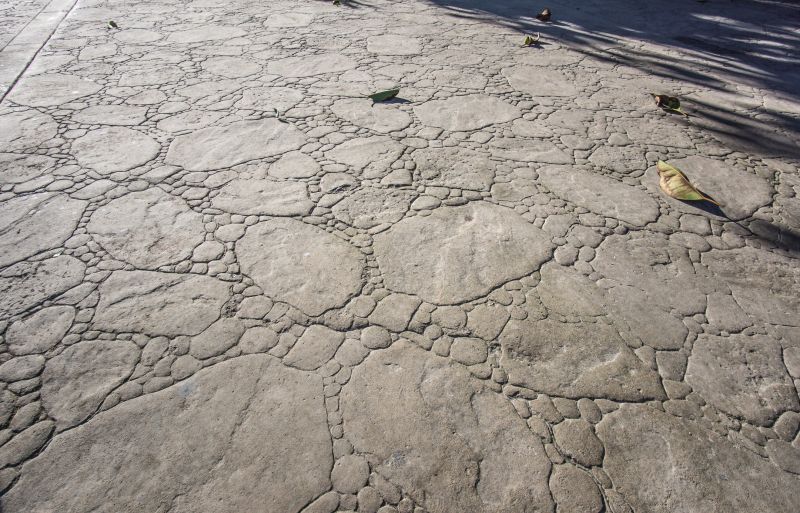
Clearly describe your stamped concrete restoration project to help local contractors recommend suitable options for spring refresh.
- Assess surface cracks and chips to determine if repairs are needed before restoration. - Inspect the stamped concrete for uneven or faded areas that may require resurfacing or sealing.
- Check for staining, discoloration, or surface wear that could impact the appearance of the finished restoration. - Consider whether the existing texture and pattern are intact or need redefinition by local contractors.
- Evaluate drainage and slope to ensure proper water runoff and prevent future damage after restoration. - Look for any signs of water pooling or erosion that may need addressing during the project.
- Examine the surface for loose or deteriorated sealers that could affect adhesion of new coatings. - Determine if existing sealers need removal or preparation to ensure a smooth, durable finish.
- Think about the overall design and color scheme to coordinate with the surrounding landscape during restoration planning. - Consult with local service providers to explore options for color enhancements or pattern updates.
Explore ideas with local contractors to plan your spring-styled stamped concrete restoration project effectively.

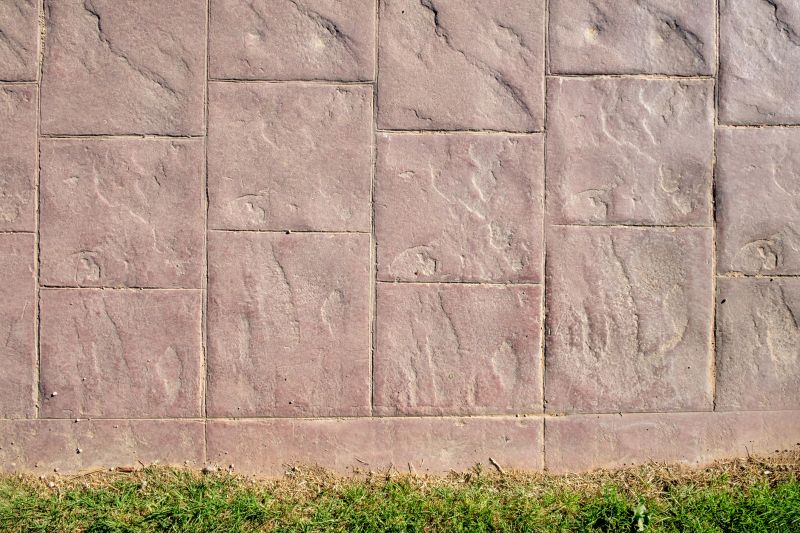
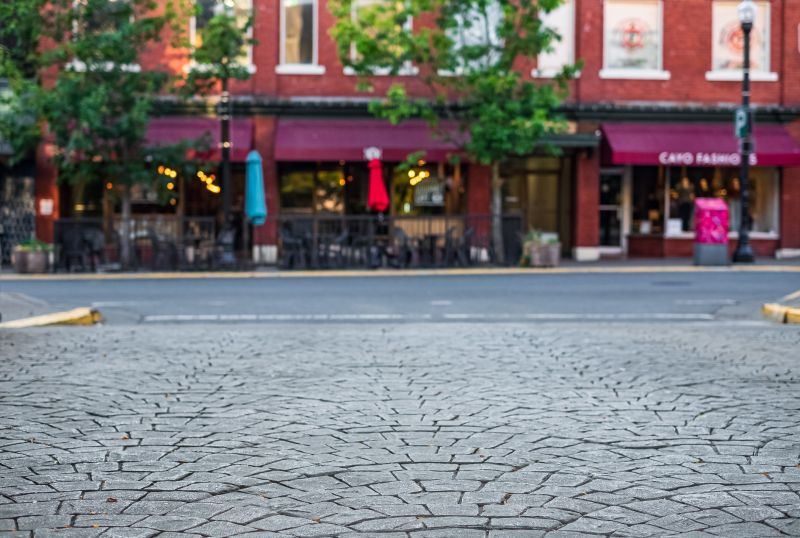
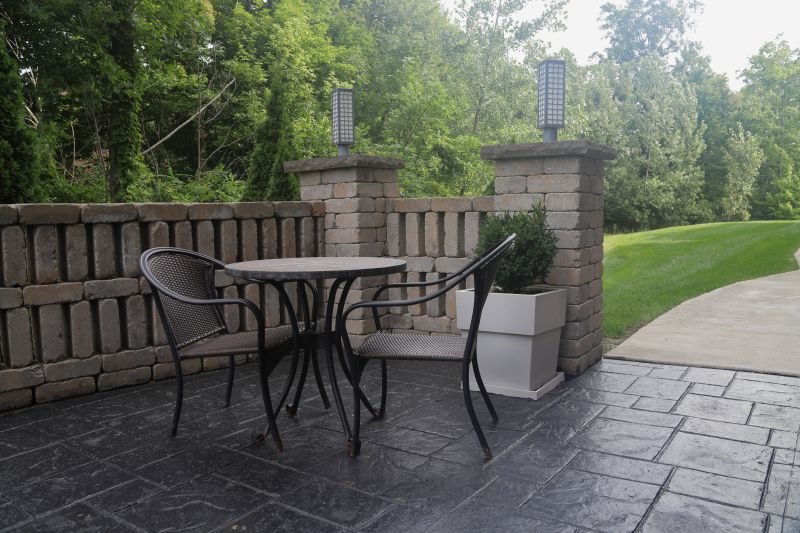
Prioritize your restoration goals and compare local contractors to find the best fit for your spring project needs.
- Surface Cleaning and Repair - Spring is an ideal time to assess and restore stained or weathered stamped concrete surfaces, with local contractors offering cleaning and minor repairs to refresh the look.
- Color Enhancements - Refresh faded or worn color patterns by working with local service providers who specialize in color sealing and touch-ups for stamped concrete.
- Resurfacing and Overlay - For extensive damage or outdated patterns, local contractors can apply overlays or resurfacing techniques to renew the appearance of stamped concrete surfaces.
- Sealing and Protection - Spring projects often include sealing stamped concrete to protect against seasonal weather changes and to enhance durability, with local pros providing proper sealing services.
- Pattern Restoration - Restoring or updating stamped concrete patterns can be a practical spring project, with local experts capable of re-stamping or re-creating intricate designs for a fresh look.
Compare local contractors' stamped concrete restoration services to ensure consistent quality and results across providers this spring.
- Assessment of Existing Surface - Evaluate the current condition of the stamped concrete to identify damage or wear.
- Surface Cleaning and Preparation - Determine the necessary cleaning and preparation steps to ensure proper adhesion of restoration materials.
- Repair and Crack Filling - Identify areas requiring crack filling or surface repairs to restore structural integrity.
- Color and Finish Matching - Establish the appropriate color, stain, or sealant options to match the existing stamped concrete appearance.
- Protection and Sealing Strategies - Decide on sealing techniques and protective measures to enhance durability and appearance longevity.
When evaluating service providers for stamped concrete restoration during the spring season, it’s important to consider their experience with similar projects. Homeowners should seek out local contractors who have a proven track record of restoring stamped concrete surfaces, particularly in environments that experience seasonal changes. An experienced professional will understand the nuances of working on decorative concrete, including challenges related to surface preparation, color retention, and pattern integrity. Reviewing a contractor’s portfolio or asking about past projects can provide insight into their familiarity with spring-specific restoration needs and their ability to deliver results that enhance the appearance and durability of stamped concrete.
Clarity in the scope of work is essential when comparing local contractors for stamped concrete restoration. Homeowners should look for providers who can clearly articulate what the project will entail, including surface cleaning, repairs, sealing, and any decorative touch-ups. A detailed scope helps prevent misunderstandings and ensures that expectations align with what the contractor plans to deliver. When discussing options, it’s beneficial to ask service providers to outline the specific steps involved, the materials they intend to use, and the overall approach to restoring the stamped concrete’s aesthetic appeal. Clear communication about the scope also aids in assessing the professionalism and thoroughness of each contractor.
Work planning considerations are particularly relevant in spring when weather conditions can influence project timelines and procedures. Homeowners should inquire how local contractors plan to adapt their work schedules around fluctuating temperatures, rain, or humidity, which are common during this season. Experienced service providers will have strategies to protect the work area from spring weather and ensure proper curing and sealing processes. Understanding their planning approach can help homeowners gauge their readiness to handle spring-specific challenges and ensure the project proceeds smoothly, resulting in a high-quality restoration that withstands seasonal changes.
Evaluating options without focusing on prices involves assessing the quality and suitability of each local contractor’s services. Homeowners can compare the level of experience, the clarity of the scope of work, and the planning considerations discussed by each provider. It’s also helpful to consider their communication style, responsiveness, and willingness to answer questions about the process. By focusing on the professionalism, expertise, and approach of local service providers, homeowners can make informed decisions that align with their project goals. This thoughtful comparison process ensures that the chosen contractor is well-equipped to handle springtime stamped concrete restoration effectively.
Request written details to ensure clear scope and expectations for your spring stamped concrete restoration project.
- Spring restoration projects often focus on refreshing the appearance of existing stamped concrete surfaces-what scope of work do local contractors typically include? How do service providers differ in their approach to repairing or restoring stamped concrete during spring? What factors should be considered when comparing local contractors' methods for stamped concrete restoration in the spring season? How do providers define the extent of restoration needed for stamped concrete surfaces in springtime projects? What questions should be asked to clarify the scope of stamped concrete restoration services offered by local contractors?
What is stamped concrete restoration? Stamped concrete restoration involves repairing and revitalizing existing stamped concrete surfaces to improve their appearance and durability, making them look like new again.
When is the best time for stamped concrete restoration in spring? Spring is an ideal season for restoration projects because weather conditions are typically suitable for surface repairs and finishing, allowing for effective work and curing.
What are common reasons to consider restoring stamped concrete? Restoration may be needed due to surface wear, fading colors, minor cracks, or damage from weather or heavy use that diminishes the appearance and integrity of the surface.
How do local contractors typically restore stamped concrete? They often clean the surface, repair cracks or damages, and may reapply color stains or overlays to restore the pattern and appearance of the stamped concrete.
Can stamped concrete be customized during restoration? Yes, restoration allows for color enhancements, pattern reapplications, or texture updates to refresh the look and match new design preferences.
Why should homeowners consider professional stamped concrete restoration? Professional service providers have the expertise and tools to ensure the restoration is performed properly, resulting in a durable and attractive finish that enhances outdoor spaces.
Spring is an ideal time to refresh and restore stamped concrete surfaces, enhancing curb appeal and preparing outdoor spaces for the months ahead. Visitors have learned how professional stamped concrete restoration can revitalize existing surfaces, improving their appearance and durability through expert techniques. To explore options and find the right local contractors for the job, using the quote form can help compare services and connect with experienced providers in the area.
For those planning spring upgrades, considering stamped concrete restoration offers a practical way to update outdoor areas without the need for complete replacement. Local service providers can offer guidance and solutions tailored to specific needs. Utilizing the quote form allows for easy comparison among local contractors, making it simple to find trusted professionals ready to assist with restoring stamped concrete surfaces.
Providing clear details about your stamped concrete restoration project helps local contractors understand your needs and plan effectively.
- Project Details - Share information about the scope and specific areas of your stamped concrete that need restoration.
- Surface Condition - Describe the current state of the stamped concrete, including any cracks, stains, or surface wear.
- Design Preferences - Indicate any preferred finishes, colors, or patterns for the restoration process.
- Location Information - Provide details about the property’s location to help local contractors assess accessibility and site conditions.